 HUATAO
Clearaway Recycling’s UK Expansion: What to Check When Keeping the Primary Shredder
How to check feed and discharge conditions, downstream peak loads and wear-part access when expanding a recycling line around an existing shredder.
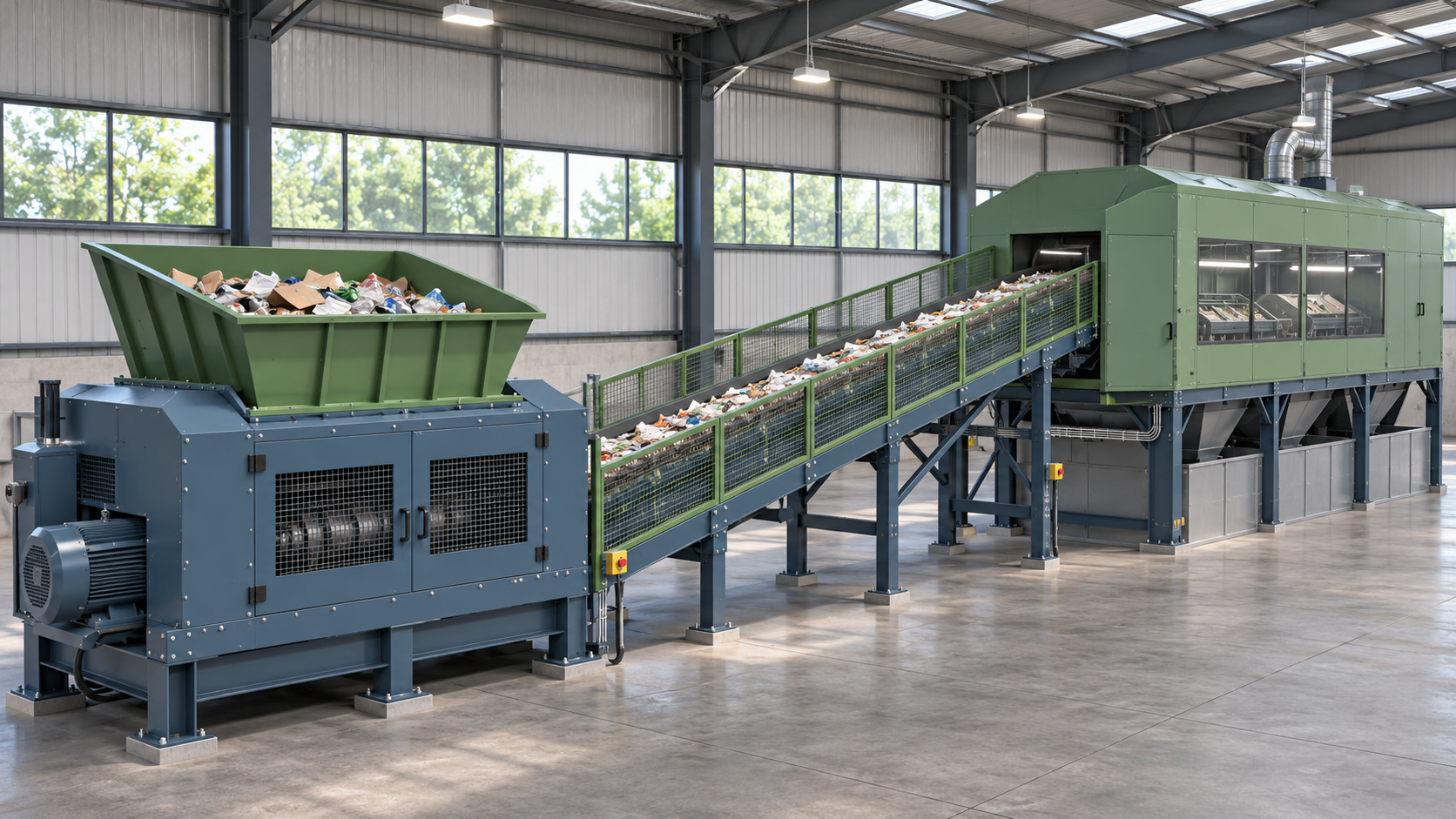
Clearaway Recycling has secured planning permission for a new building designed around its existing Lindner Jupiter primary shredder, according to a 5 November 2026 update from equipment supplier Mach Tech Services. The Jupiter handles the first size-reduction step before waste moves to downstream separation. For operators planning a similar expansion, retaining the primary shredder means checking how it will work with the expanded line.
Check what goes in and what comes out
Document the typical and largest incoming pieces, the material mix and how it varies across shifts. Then compare the shredder’s actual discharge size range with what the new conveyors and separation equipment can accept. Check the transfer points for material build-up and confirm how operators will clear blockages safely and gain access for maintenance.
Size downstream equipment for peak loads
Mach Tech reports that Clearaway processes roughly 1,800 tonnes of waste per week and that the Jupiter can handle approximately 50–60 tonnes per hour depending on the incoming waste stream. For an expansion study, use site measurements to establish both sustained throughput and short discharge peaks. Include the feed mixes the expanded line is expected to handle. Check whether conveyors and separators can absorb those peaks and whether the line can recover smoothly after a downstream stoppage.
Plan wear-part changes before the layout is fixed
Use the installed machine’s serial number, cutter configuration and maintenance records to verify part references. Review replacement intervals and lead times for the wear parts that could hold up a restart. Leave room in the new layout to open the machine, lift out worn parts and bring in replacements. If the expected feed mix or operating hours change, revisit the minimum stock levels and the time allowed for planned maintenance.
Sources
Discuss your project
Share your material, target output or the equipment you want to compare.